
Welcome to our comprehensive guide on installing screen doors brought to you by Capital City Lumber, your trusted lumber supplier in Raleigh, NC. Screen doors are not only functional but also add aesthetic value to your home, providing a welcoming entrance while keeping bugs at bay. Whether you’re upgrading your current door or installing one for the first time, this guide will walk you through the process from start to finish.
Types of Screen Doors
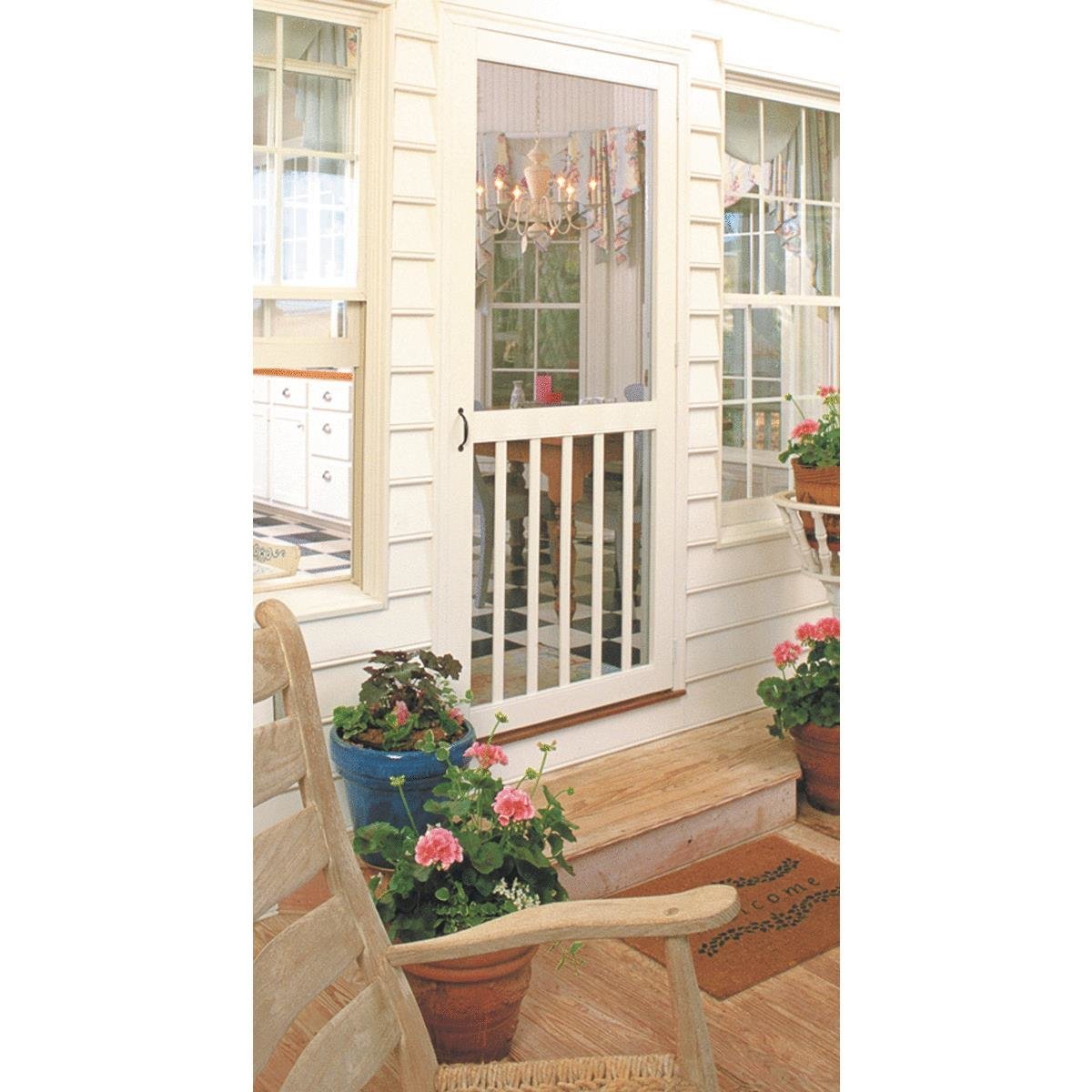
Screen doors are a versatile addition to any home, offering both functionality and aesthetic appeal. From classic wooden designs to modern retractable options, there are various types of screen doors to suit every style and need.
Wood Screen Doors
Wood screen doors exude timeless charm and add a touch of elegance to any home. Crafted from sturdy and durable wood such as cedar, pine, or mahogany, these doors offer natural insulation and aesthetic appeal.
They can be customized with intricate carvings, decorative accents, and stain or paint finishes to complement your home’s architecture and style. Wood screen doors are perfect for traditional and rustic settings, providing a warm and inviting entrance while keeping insects at bay.
Vinyl Screen Doors
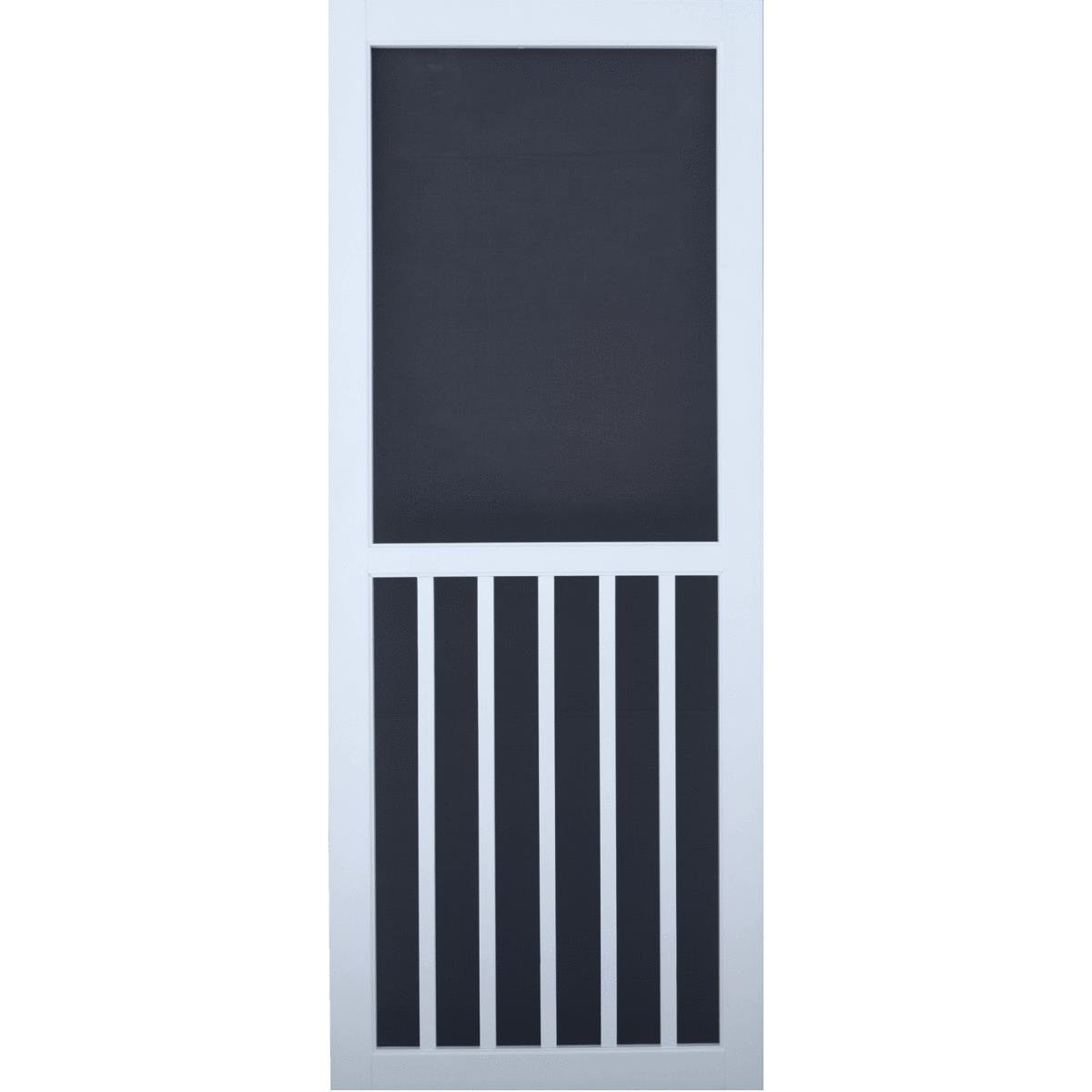
Vinyl screen doors are a popular choice for homeowners seeking durability and low maintenance. Made from PVC (polyvinyl chloride), these doors are resistant to rust, corrosion, and fading, making them ideal for high-moisture environments.
Vinyl screen doors are available in a variety of colors and styles, including traditional designs and modern configurations. They offer excellent value for money and require minimal upkeep, making them a practical choice for busy households.
Aluminum Screen Doors
Aluminum screen doors are lightweight, durable, and versatile, making them a go-to option for many homeowners. These doors feature aluminum frames with mesh screens that provide airflow and visibility while keeping insects out.
Aluminum screen doors are available in a range of finishes, including powder-coated colors and faux wood grains, allowing you to customize the look to suit your preferences. They are ideal for coastal areas or locations with harsh weather conditions, as aluminum is resistant to corrosion and rust.
Retractable Screen Doors
Retractable screen doors offer a seamless blend of functionality and style, providing unobstructed views and easy access to outdoor spaces. These doors consist of a roll-up screen that retracts into a housing unit when not in use, preserving the aesthetic appeal of your entryway.
Retractable screen doors are available in various sizes and configurations to fit single and double door openings. They are perfect for homes with limited space or for those who want the flexibility to enjoy open-air living without the hassle of traditional screen doors.
How to Install a Screen Door
Installing a screen door is a great way to add ventilation to your home while keeping insects out. With the right tools and a bit of patience, you can easily install a screen door yourself. Follow these step-by-step instructions to get the job done.
Step 1: Gather Your Materials
Before you begin, make sure you have all the necessary materials and tools:
- Screen door kit (includes the door, frame, hinges, and hardware)
- Measuring tape
- Screwdriver or drill with screwdriver bit
- Level
- Pencil
- Saw (if trimming the door is necessary)
- Shims (optional, for leveling)
- Safety glasses
Step 2: Measure Your Doorway
Measure the width and height of your doorway to ensure that the screen door will fit properly. Most screen doors are adjustable and can be trimmed to fit if needed.
Step 3: Prepare the Door Frame
If necessary, trim the screen door frame to fit your doorway using a saw. Follow the manufacturer’s instructions for trimming the door.
Step 4: Install the Hinges
Position the screen door in the doorway, ensuring that it is level. Attach the hinges to the door frame using the screws provided in the kit. Use a level to ensure that the door is plumb.
Step 5: Attach the Door Closer
With the door in place, mark the locations for mounting the door closer brackets. Typically, you’ll need to attach one bracket to the door frame and the other to the screen door itself. Use a pencil to mark these locations.
Using a drill with the appropriate bit size, pre-drill holes at the marked locations. Be sure to choose a drill bit that matches the size of the screws provided with the door closer. Securely attach the brackets to the door frame and the screen door using the screws provided. Make sure the brackets are aligned properly and firmly anchored.
Depending on the type of door closer you have, the mechanism may attach directly to the brackets or require additional hardware. Follow the manufacturer’s instructions for attaching the closer mechanism securely. If your door closer utilizes a connecting rod, attach it to the door closer mechanism and the designated point on the door. This rod is typically adjustable in length, so adjust it as necessary to ensure proper operation.
Step 6: Install the Latch and Handle
Decide on the ideal position for the handle on the screen door. Typically, the handle is placed at a comfortable height and centered horizontally on the door. Use a tape measure and a pencil to mark the center point for drilling. Using a drill with the appropriate bit size, carefully drill holes for the handle according to the manufacturer’s instructions. Make sure the holes are straight and aligned properly.
Insert the handle mechanism into the drilled holes on the screen door. Secure it in place using the screws provided with the handle set. Ensure that the handle is securely attached and operates smoothly.
Next, determine the appropriate position for the latch mechanism on the door frame. This is typically aligned with the handle on the door. Use a tape measure and a pencil to mark the location for drilling. Using a drill with the appropriate bit size, carefully drill holes for the latch mechanism according to the manufacturer’s instructions. Make sure the holes are straight and aligned properly with the handle on the door.
Insert the latch mechanism into the drilled holes on the door frame. Secure it in place using the screws provided with the latch set. Ensure that the latch mechanism operates smoothly and securely. If your latch set includes a strike plate, position it on the door jamb opposite the latch mechanism. Use a pencil to mark the location for the strike plate, then use a drill and screws to attach it securely.
Step 7: Test the Door
Open and close the screen door several times to ensure that it operates smoothly. Make any necessary adjustments to the hinges or latch as needed.
Step 8: Add Weather Stripping
To improve energy efficiency and prevent drafts, consider adding weather stripping around the edges of the door frame. This will help create a tight seal when the door is closed.
Can Screen Doors Be Painted?
Screen doors are a functional and aesthetic addition to any home. They allow fresh air to flow through while keeping bugs and debris out, all while adding a touch of charm to your entryway. However, over time, the paint on screen doors can fade or chip, detracting from their appearance, so you may be wondering if you can repaint the door frames. Luckily, yes, screen doors can be painted, but only after you assess your doors for signs of damage.
Inspect the surface of your screen door for any signs of damage, such as rust, dents, or loose hardware. If there are any structural issues, address them before proceeding with painting. Additionally, consider the material of your screen door, as different materials may require different preparation and painting techniques.
Screen Doors from Capital City Lumber
Capital City Lumber is your go-to destination for top-quality lumber and building supplies. Among our extensive inventory, we take pride in offering a diverse selection of screen doors to meet your needs. Whether you’re looking for traditional pine options or modern vinyl treated alternatives, we have something for every style and requirement.
Pine Treated Screen Doors
Our pine treated screen doors combine the timeless appeal of natural wood with durability and reliability. Crafted from high-quality pine lumber, these doors are treated to resist rot, decay, and insect damage, ensuring long-lasting performance.
Pine Treated Screen Doors with Hardware Cloth
For added security and protection against pests, our pine treated screen doors with hardware cloth are an excellent choice. These doors feature built-in hardware cloth mesh, providing extra strength and preventing unwanted intruders from entering your home while still allowing fresh air to flow freely. Ideal for porch enclosures, workshops, or utility rooms, these doors offer peace of mind without sacrificing ventilation.
Vinyl Treated Screen Doors
If you’re seeking a low-maintenance alternative to traditional wood, our vinyl treated screen doors are the perfect solution. Made from durable vinyl materials, these doors are resistant to warping, fading, and moisture, making them ideal for outdoor use. With a smooth finish and available in various colors, our vinyl treated screen doors offer effortless style and enduring performance for years to come.
5 Bar Screen Doors
For a classic and elegant look, consider our 5 bar screen doors. Featuring a traditional design with five horizontal bars, these doors add a touch of sophistication to any entryway or porch. Constructed from premium wood and with a range of available finishes, our 5 bar screen doors not only enhance the aesthetic appeal of your home but also provide reliable protection against insects and debris.
Contact Our Wooden Screen Door Store in Raleigh Today
Ready to enhance the beauty and functionality of your home with our premium wooden screen doors? Don’t wait any longer– contact our wooden screen door suppliers in Raleigh today.
Whether you’re interested in treated pine doors, vinyl-treated screen doors, or any other style we offer, our team is here to assist you. Experience the unmatched quality and service that Capital City Lumber is known for. Get in touch with us now to discuss your needs, request a quote, or place an order with our online store at totalwoodstore.com.
Get started today by calling us at 919.832.6492 or filling out the contact form below.

